

There is no power greater than a community discovering its shared heritage, helping creating social cohesion and unity.
Our Projects
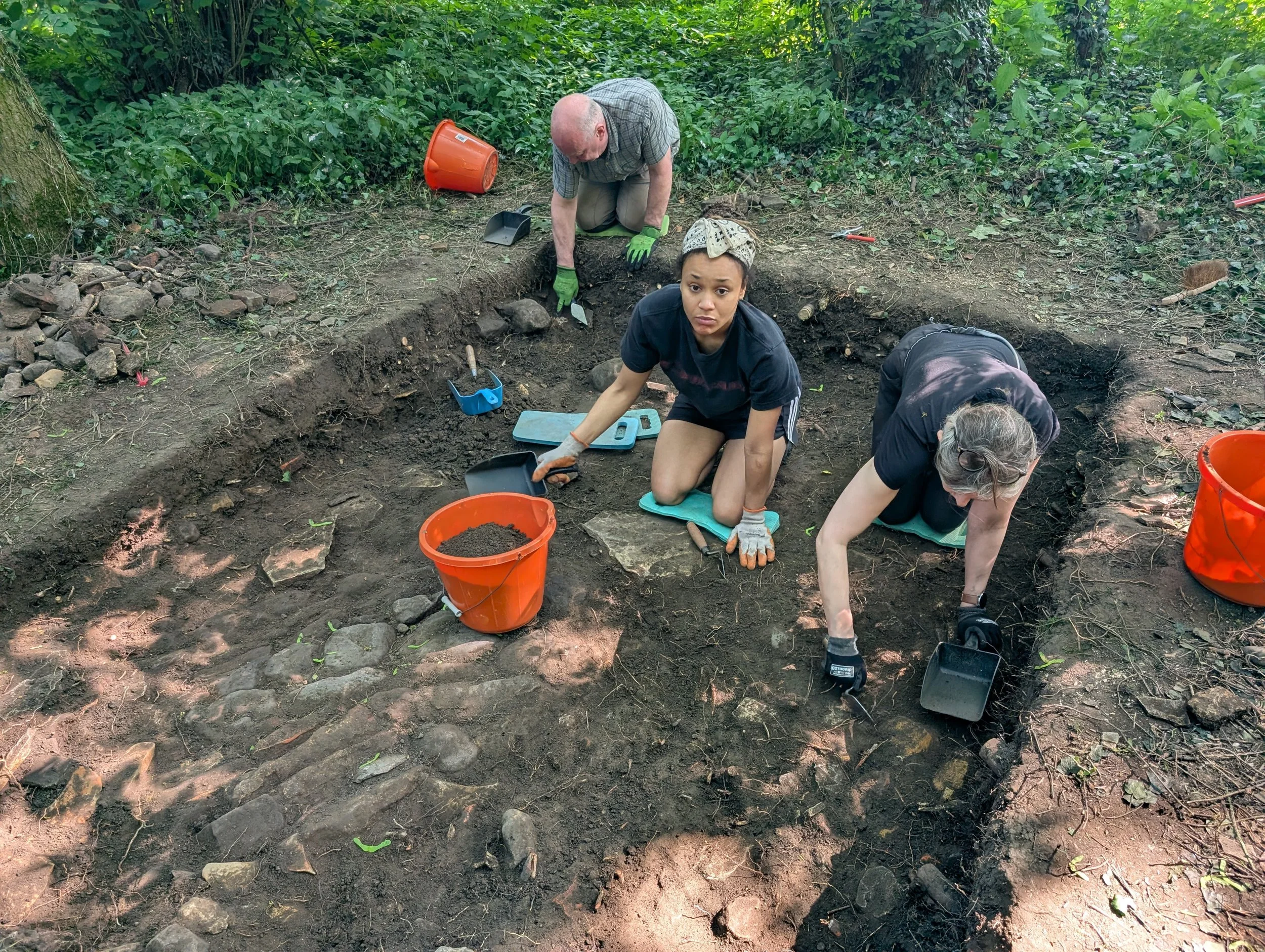
Sherriff Hutton: Walking in the Footsteps of Richard III
About the site and the Archaeology
Cornbrough Moated Manor, also known as Bergh Castle, is a high‑status medieval fortified manor located in Sheriff Hutton, North Yorkshire. Its defensive and elite character is confirmed by a royal licence to crenellate (Fortify) was granted in 1262, placing it among a select group of fortified residences in the Vale of York.
Landscape and Preservation Context
The manor occupies a prominent position within the glacial landscape of the Vale of York, where glacial till and gravel deposits created ideal conditions for moat construction and long‑term archaeological preservation. The large rectangular moated enclosure survives with internal subdivisions, waterlogged deposits, and adjacent earthworks. excavations, LIDAR and geophysical survey have revealed clear internal boundaries, former structures, and associated features.
Immediately south of the manor lies the Deserted Medieval Village (DMV) of Cornborough, recorded since Domesday. The DMV contains house platforms, paddocks, ridge‑and‑furrow, and trackways, offering a rare opportunity to study the relationship between a high‑status manor and its dependent settlement.
Archaeological Investigations
Recent excavations by Ethos Heritage CIC have uncovered:
Medieval floor surfaces and wall lines
15th‑century stained glass fragments
Large amounts pottery assemblages
Lead weights, seal and tokens, suggesting estate administration and trade with Northern Europe
A 15th‑century dagger fragment
The animal bone assemblage is particularly revealing. It includes deer and pheasant, demonstrating organised hunting activity typical of elite households, alongside piglets, lambs, calves, and bovines, which indicate access to high‑value meats and a high‑status medieval diet. These remains reflect selective carcass processing, specialised provisioning networks, and consumption patterns associated with high status manorial centres.
In addition, the site is producing a large and diverse artefact assemblage, including seals, amber beads, and high‑status imported pottery from the Baltic and Germany. These finds demonstrate that Cornbrough was connected to long‑distance trade routes, likely through York’s international mercantile networks, and that its occupants had access to prestige goods circulating across northern Europe.
Collectively, these discoveries demonstrate elite domestic life, administrative activity, long‑distance economic connections, and sustained occupation from the 11th to 16th centuries.
Historical Context and Richard III
Cornbrough was originally held by the Thweng family, later passing to the Withams, including Thomas Witham, Chancellor of the Exchequer under Henry VI, Edward IV, and Richard III. Witham served as a senior councillor within Richard’s northern administration, making Cornbrough one of the estates directly associated with the governance network Richard built in the region.
The manor lies only a 2 Km from Sheriff Hutton Castle, Richard III’s principal northern strongholds and a major centre of the Council of the North. Richard used Sheriff Hutton to house his household, train retainers, manage regional justice, and coordinate military and administrative operations. Cornbrough’s proximity, from royal records of visits to the site, and its connection to Thomas Witham place the site within Richard III’s immediate political orbit, forming part of the infrastructure that supported his authority in the north.
Significance and Potential
Cornbrough Moated Manor is assessed as a rare, exceptionally well‑preserved fortified manor with:
Well preserved archaeological site
Direct historical and political associations with the major English Kings, including Richard III
Evidence of long‑distance trade and elite consumption
A unique combined landscape of manor, moat, and DMV
Ongoing geophysical, LIDAR, and excavation work planned over the next few years
Together, these factors make Cornbrough one of the most important medieval sites in the Vale of York, offering unparalleled insight into elite residence, rural settlement, long‑distance trade, and governance in the later Middle Ages.
For more information click on link to access the Desk Base Assessment (DBA) which can be found at the bottom of this section
Dates: 24 July to 8 August 2027
Era: Medieval
Duration: 16 Days
Excavations Cost:
£35 per individual day
£30 for students, unemployed, military veteran (Veterans Card required) and OAP (Student card or pension credit letter required)
Under 16s free, accompanied by an adult.
Packages:
7 days (7 nights camping) inc. Food, Accommodation, Excavation, all equipment: £450
7 days (7 nights camping) Students, OAP, Unemployed or military veteran inc. Food, Accommodation, Excavation, all equipment: £420
Accommodation: £16 per day including showers, toilets and all facilities Tent Rental (Only from outside the UK if required) £15 per week or £20 for for duration
Feeding: Full Board £17 per day (Breakfast, Lunch, Dinner inc Tea and Squash. We cater for vegetarians, Vegans, religious dietary requirements and allergies
Refund Policy: A 100% refund will be given up to 5 Jan 2026. After this date, a refund will not be provided. However, a credit note will be issued for the amount, to use on our next project.
Link for further information: Site Desk Based Assessment
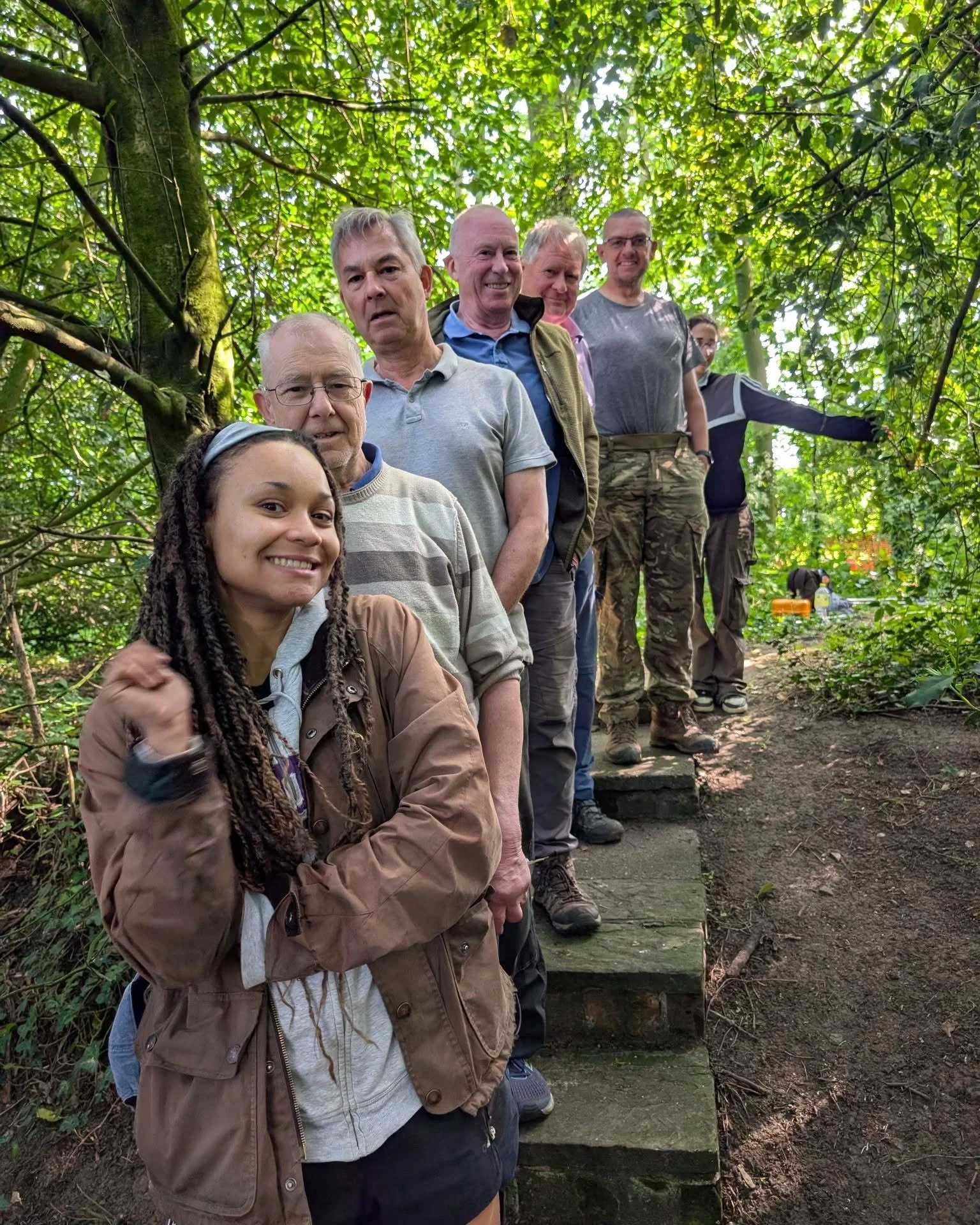
Welburn Roman Buildings and Pottery Kilns
Dates: 24th March to 3 April 2027
Era: Iron Age, Roman
Duration: 11 Days
Excavations Cost:
£30 per individual day
£25 for students, unemployed and OAP (Student card or pension credit letter required)
Under 16s free, accompanied by an adult.
Accommodation: £16 per day including showers, toilets and all facilities Tent Rental (if required) £15 per week or £20 for for duration
Feeding: Self Catering: A kitchen tent will be provided with Cooker and food storage area
Payment: Payment will be made by Paypal Invoice, which will be sent to you on receipt of your application. This can be paid in instalments, however a £50 deposit is required on application. All costs must be paid in before the project start date.
Refund Policy: A 100% refund will be given up to 5 Jan 2026. After this date, a refund will not be provided. However, a credit note will be issued for the amount, to use on our next project.
If you want further information, email admin@ethosheritage.com
If you want further information, email admin@ethosheritage.com